🌿 Introduction
Frankincense, known in Arabic as Lubban Dhakar, has been used for centuries across the Arab world for memory, mood, and respiratory comfort. Today, interest in frankincense benefits is growing in Western wellness circles, especially as people look for natural, time-tested remedies with cultural depth and holistic value.
🧪 What Is Frankincense?
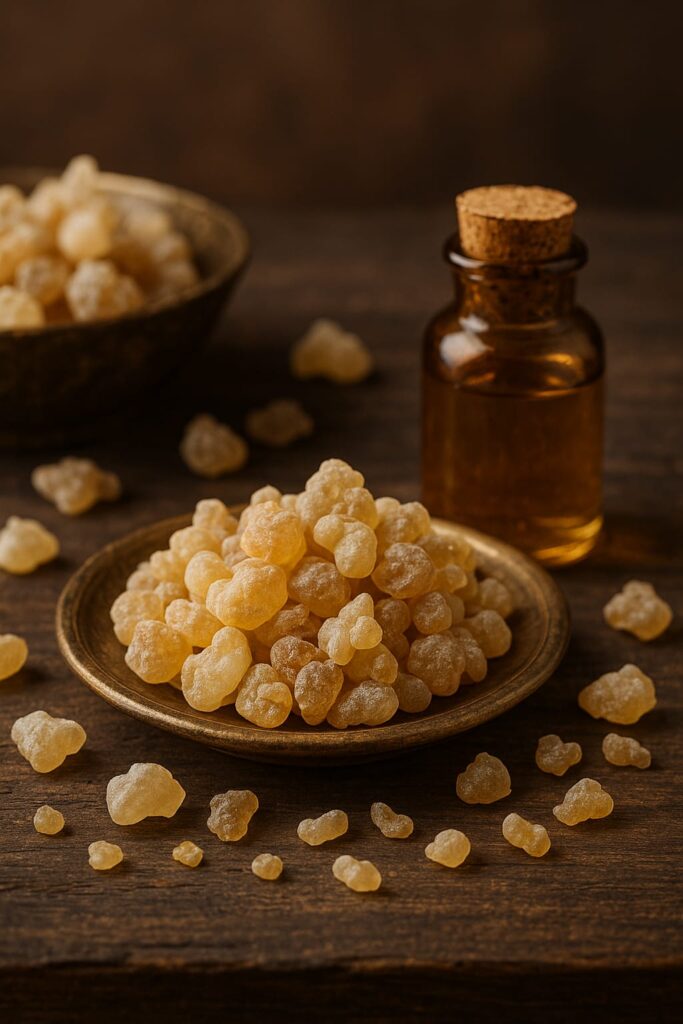
Frankincense is the aromatic resin from Boswellia trees. Traditionally burned as incense, it is also infused in water or extracted as oil. Notably, it contains Boswellic acids and other aromatic compounds that contribute to its soothing scent and traditional uses. Because of this, many readers explore frankincense benefits for joint comfort, breath support, and mental clarity.
📚 Frankincense in Arab & Prophetic Tradition
In Arab traditional practice, frankincense appears in daily life as incense for the home, as a simple infusion for the throat, and even as a gentle aid for focus during study. In many households, offering incense expresses hospitality and care—linking wellness to community and spirituality. This holistic lens helps Western readers understand that frankincense benefits are not merely physical; they are also cultural and emotional.
🔬 Potential Health-Supporting Actions
- Comfort for joints and mobility: Traditional use associates frankincense with easing everyday stiffness and supporting movement.
- Respiratory ease: The aroma is often used to create a pleasant environment for easier breathing.
- Mood & focus: Many users report calmer mood and improved concentration during reading or prayer.
- Oral care: In folk practice, chewing small pieces freshens breath; some use rinses for gum comfort.
Important: These traditional uses are supportive, not a replacement for medical treatment. Always consult a qualified clinician, especially if pregnant, nursing, or on medication.
🍵 How to Use Frankincense (Simple, Home-Friendly)
- Gentle Infusion (Tea): Add 2–4 small resin pearls to 250 ml hot water. Let steep 10–15 minutes, then sip warm. Start with small amounts to gauge tolerance.
- Incense (Aromatic Use): Burn a few pieces on charcoal in a safe burner to scent the room. Ventilate well and avoid excessive smoke.
- Chewing Resin (Traditional): Chew 1 small piece briefly for a fresh, resinous taste. Do not swallow large amounts; use sparingly.
- Topical Oil (Diluted): Use a skin-safe frankincense essential oil diluted in a carrier oil (e.g., almond). Patch-test before wider use.
To keep the experience practical for beginners, highlight a few core frankincense benefits: soothing aroma, simple infusion, and a culturally meaningful ritual that supports mindfulness.
🥗 Easy Ways to Add It to a Western Routine
- Mindful evenings: Light incense briefly during journaling, reading, or prayer to anchor calm.
- Work breaks: Sip a mild infusion in the afternoon as a screen-time reset.
- Home hospitality: Share a light incense moment with guests—an Arab tradition that blends wellness and welcome.
🧭 Quality, Safety & Sourcing Tips
- Choose resin from reputable vendors; look for clean, dry pieces without visible debris.
- Store in an airtight container away from heat and moisture.
- Essential oils must be diluted before skin use; avoid eye contact and sensitive areas.
- If you have asthma or scent sensitivity, use incense sparingly and keep rooms ventilated.
✅ Conclusion
Frankincense connects the modern reader to a living Arab tradition of care, reflection, and hospitality. When used thoughtfully, the frankincense benefits—from soothing aromas to simple infusions—offer a gentle, culturally rich addition to everyday wellness.